
Bleeding Gums? Causes and Best Treatment Options
Bleeding gums are one of the earliest warning signs of gum disease and should never be ignored. While occasional bleeding may seem harmless, it often indicates underlying oral health issues that can worsen over time if left untreated.
The good news is that with proper care and timely treatment, bleeding gums can be effectively managed and even reversed.
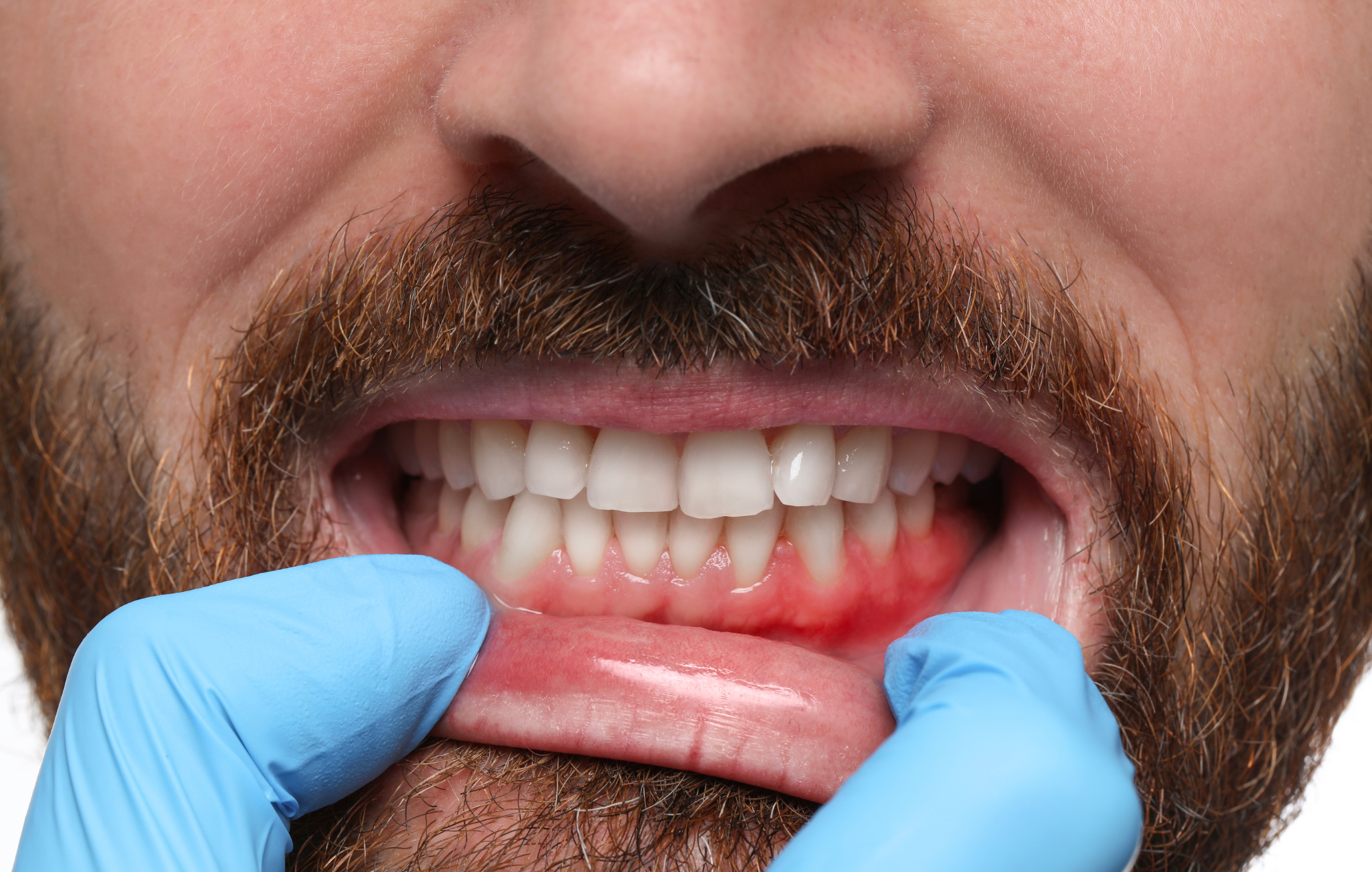
Here are the most common causes of bleeding gums:
-
Poor Oral Hygiene
Inadequate brushing and flossing lead to plaque buildup along the gum line. This plaque irritates the gums, causing inflammation and bleeding.
-
Gingivitis (Early Gum Disease)
Gingivitis is the first stage of gum disease. It causes redness, swelling, and bleeding during brushing or flossing. If untreated, it can progress into more serious conditions like periodontitis.
-
Aggressive Brushing
Brushing too hard or using a hard-bristled toothbrush can damage delicate gum tissues, leading to bleeding and gum recession over time.
-
Vitamin Deficiency
A lack of essential vitamins, especially Vitamin C and Vitamin K, can weaken gum tissues and make them more prone to bleeding.
-
Hormonal Changes
Hormonal fluctuations during pregnancy, menstruation, or due to medical conditions can make gums more sensitive and susceptible to bleeding.
Additional Symptoms to Watch For
Bleeding gums may be accompanied by other warning signs such as:
- Red or swollen gums
- Bad breath (halitosis)
- Gum tenderness or pain
- Receding gums
Best Treatment Options
Treatment depends on the severity of the condition, but commonly includes:
- Professional Dental Cleaning: Removes plaque and tartar buildup
- Improved Oral Hygiene: Regular brushing and flossing techniques
- Medicated Mouthwash: Helps reduce bacteria and inflammation
- Diet Improvement: Intake of essential vitamins and nutrients
- Routine Dental Checkups: Early detection and prevention
How to Prevent Bleeding Gums
- Brush twice daily using a soft-bristled toothbrush
- Floss regularly to remove plaque between teeth
- Avoid aggressive brushing
- Maintain a balanced diet rich in vitamins
- Visit your dentist every 6 months
When Should You Visit a Dentist?
You should consult a dentist immediately if:
- Bleeding continues for more than a few days
- Gums are swollen or painful
- You notice bad breath or pus
- Gums are receding
Final Thoughts
Bleeding gums are not normal and should never be ignored. Early treatment can prevent serious dental problems and help you maintain healthy gums for life.
At Advance Family Dental Care, we provide expert diagnosis and advanced gum treatments to keep your smile healthy and strong.